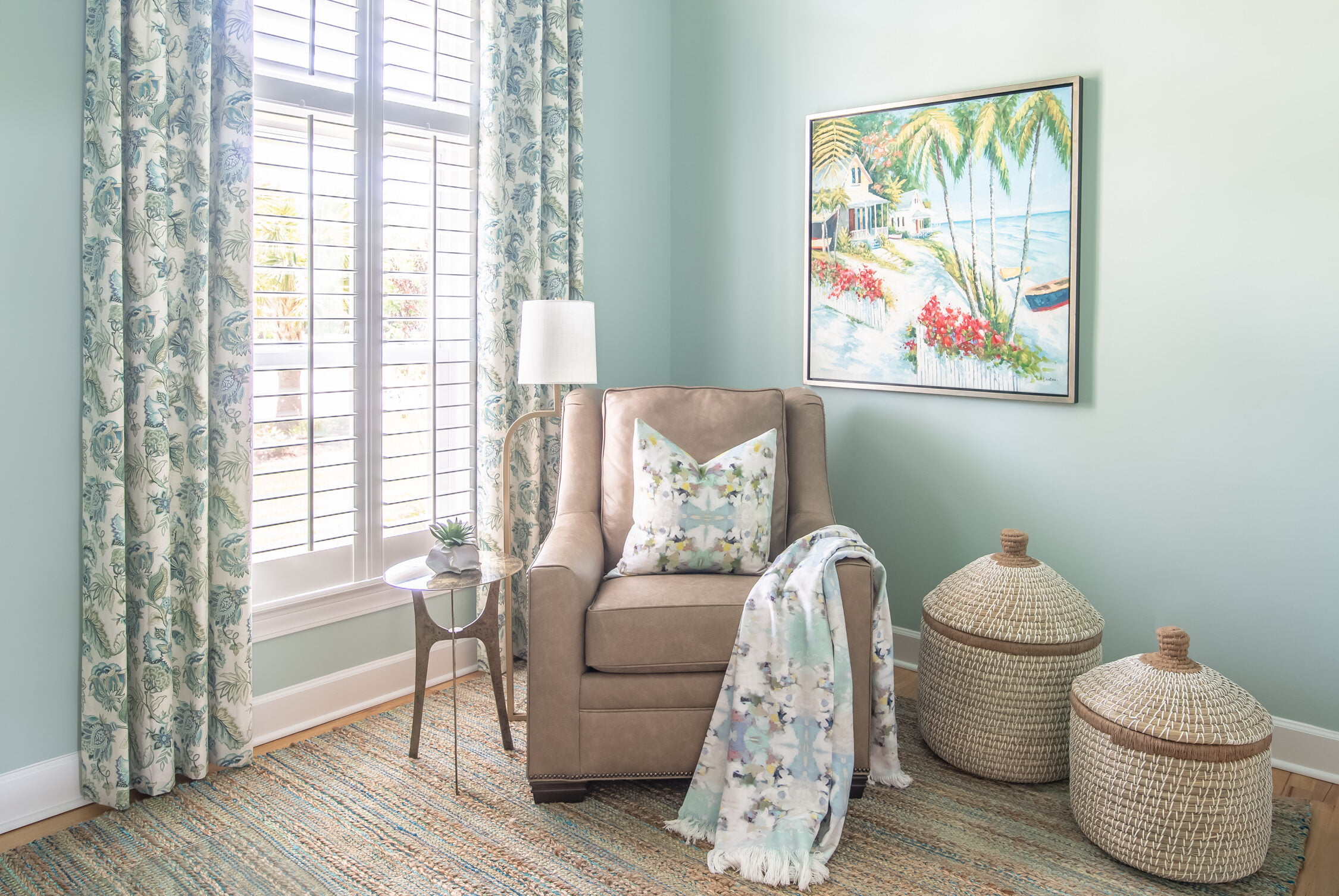
Some of the most beloved Southern homes weren’t built yesterday. They were built to last, with heart pine floors worn smooth by generations of bare feet, transoms that caught the Lowcountry breeze long before central air, and millwork that no catalog can quite replicate today. It’s easy to fall head over heels for older homes with character like this. What’s harder is knowing how to renovate without losing everything you fell in love with.
The good news is that an old home renovation doesn’t force a choice between the home you love and the home you need. Our interior designers have spent decades helping homeowners modernize old homes without losing the details that made them special in the first place.
Here are their insights on modernizing the interior design of older homes with character.
Why Homes With Character Are Back in Demand
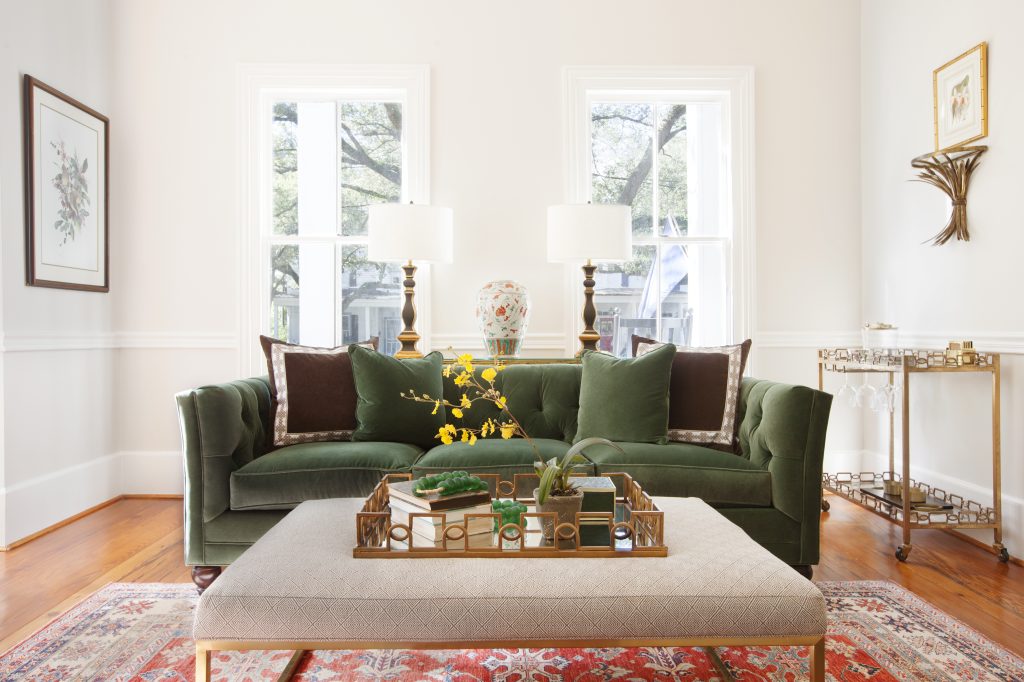
Homebuying trends are shifting away from crisp, clean new constructions and towards older homes with character. According to a 2024 Redfin report, the median age of homes purchased in the U.S. hit a record 36 years — up from just 27 in 2012.
And it isn’t only about what’s available. A December 2025 survey from 2-10 Home Buyers Warranty found that 62% of homebuyers prefer older homes over new construction — and 77% believe older homes are simply better built. Buyers aren’t settling for character; they’re seeking it out.
This resurgence doesn’t stop at the housing market. Our designers watched it play out across 2025’s interior design trends, with homeowners gravitating toward homes that feel expressive, layered, and lived-in.
According to Lance Griffith, owner and lead designer at CHD Interiors, the key to the Southern interior design style is that it feels acquired: layered over time, shaped by memory and inheritance rather than assembled all at once. That quality can’t be ordered from a catalog. It comes from honoring what a home already holds.
What Gives the Interior Design of Older Homes Its Character?
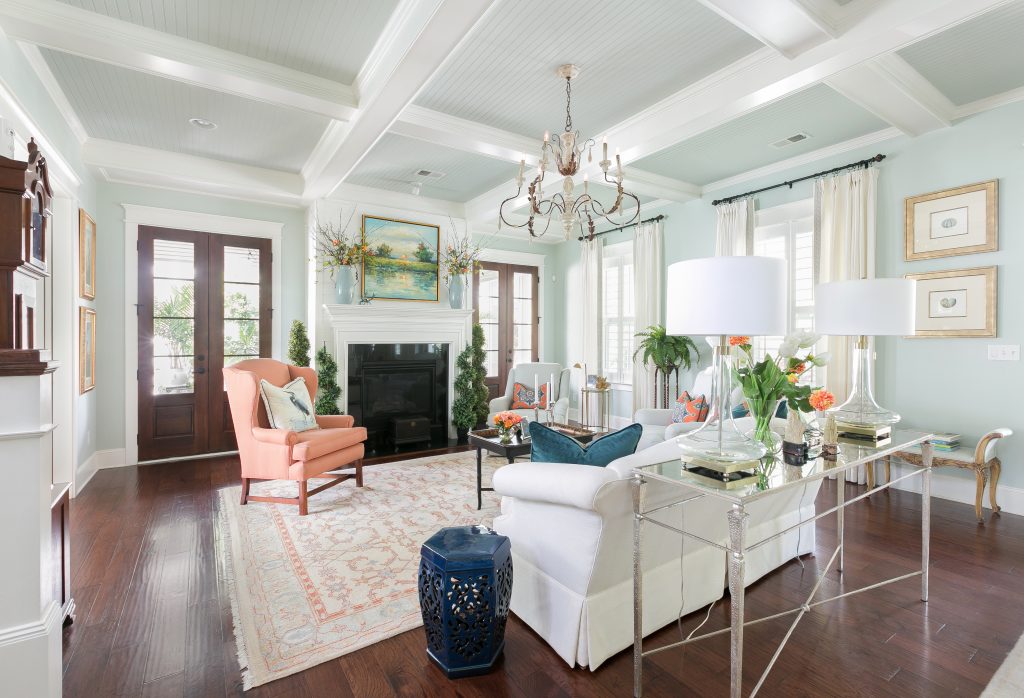
From the materials underfoot to the architectural details overhead, a few elements give the interior design of older homes its charm, personality, and sense of history:
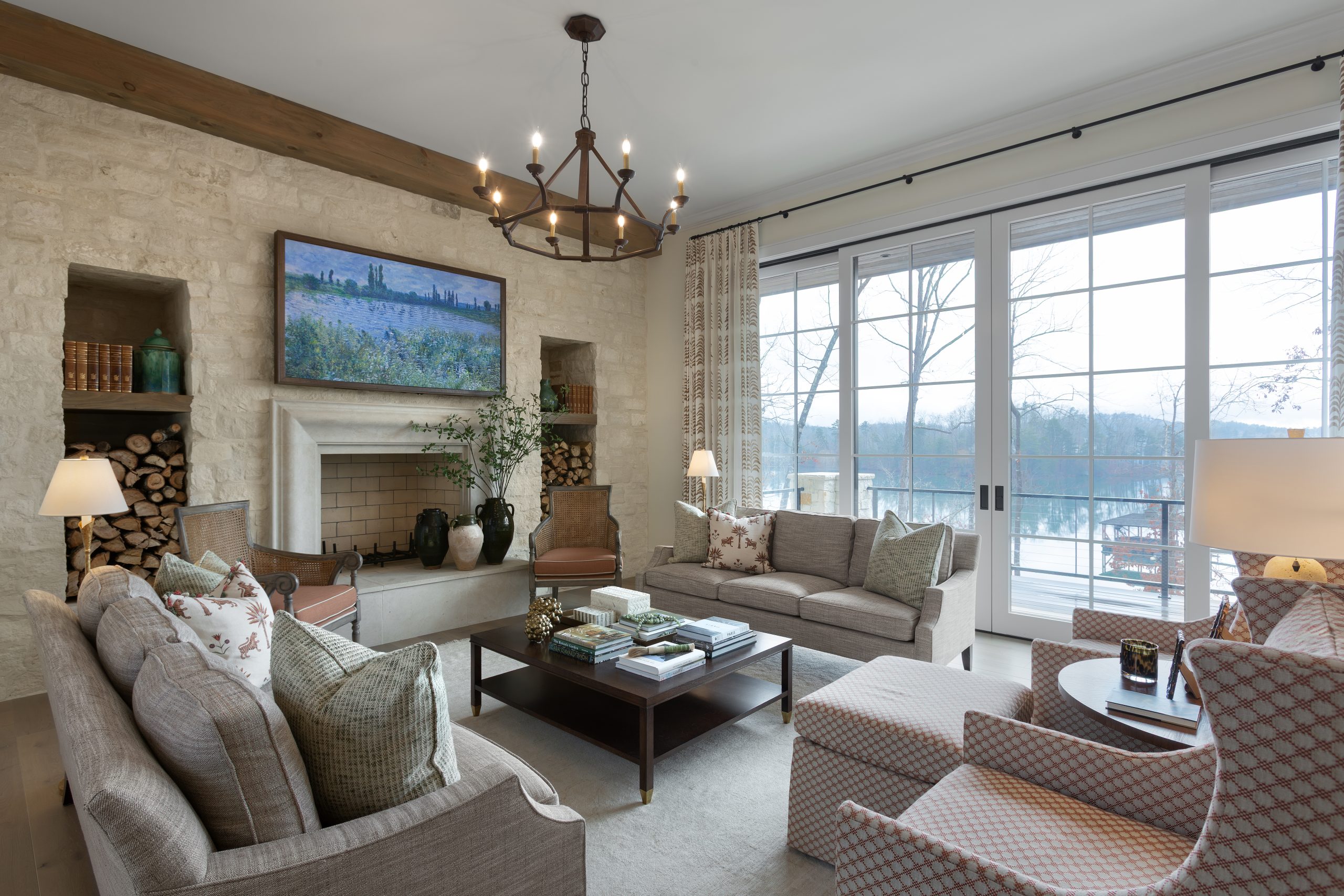
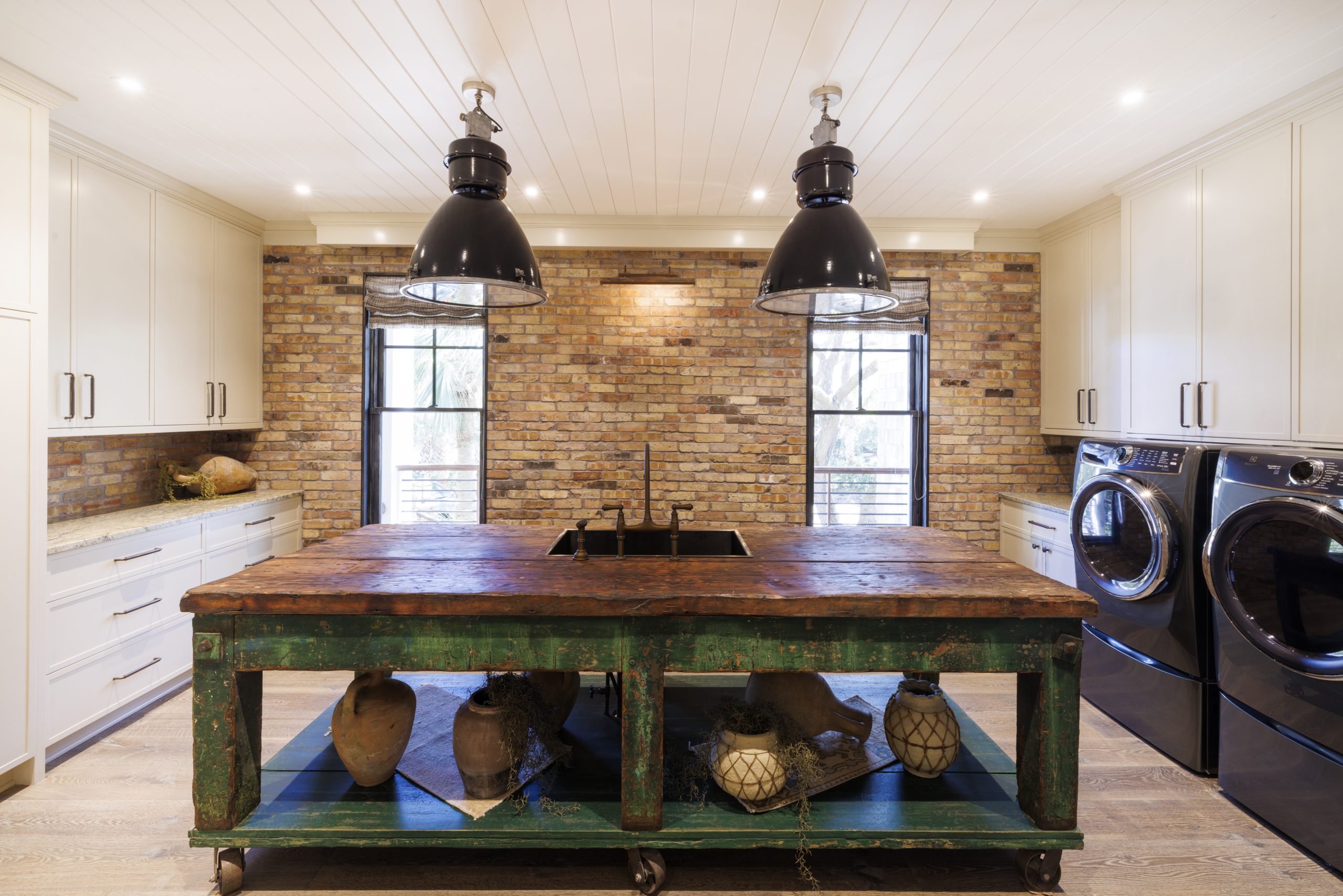
- Materials with a story: Elements like original hardwood floors, exposed brick walls, ceiling beams, or wood wall treatments carry the patina of age and tell the story of a home’s past.
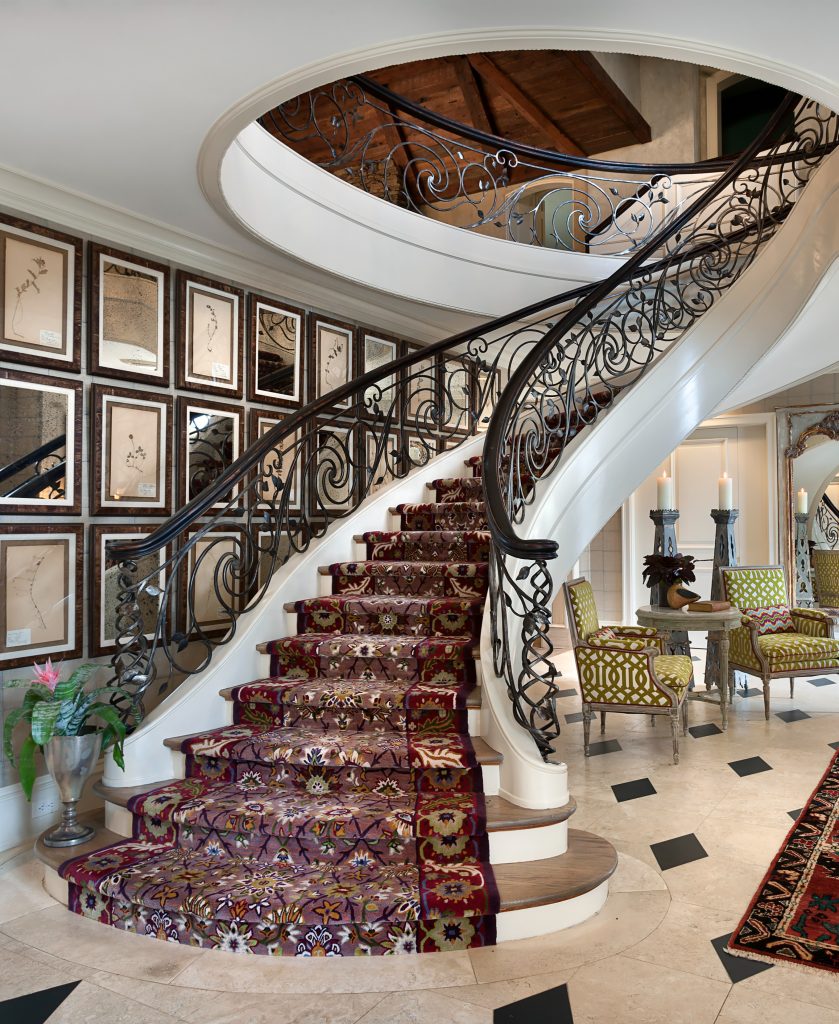
- Unique old-fashioned architectural details: Features such as laundry chutes, mail slots, pocket doors, or spiral and curved staircases give a home personality and charm. They serve as both conversation starters and functional details with a sense of place.
- Original moldings, trim, and millwork: Our interior designers typically try to preserve the moldings, baseboards, wainscoting, and other millwork found in older homes when we can. These details showcase craftsmanship from another era for a timeless sense of elegance and permanence.
How to Modernize Your Home’s Interior Without Losing Its Character
Below are concrete, approachable strategies for preserving historical charm during a character home renovation.
Take Inventory of Your Older Home’s Interior Design
Before you change a thing, slow down and take note of your home’s features. Our interior designers walk through our clients’ homes with them, armed with a camera and a notebook. We photograph and note both the features you love and the features that could use an update.
This simple inventory helps us see what we’re working with and prevents unpleasant surprises once work begins. (It’s the same instinct behind our design process, which always starts from what’s already meaningful in a space.)
It also helps to think about a home’s “load-bearing” elements in two ways.
- Structural components: walls, beams, and foundations that require professional guidance to keep your home’s integrity intact.
- Design-defining features: elements that are “load-bearing” to the feel of a home: a staircase that is the focal point of your entryway design, a built-in bookcase that defines a study, or an original fireplace surround that anchors the living room. Remove these interior design details, and you strip away much of what makes the home unique.
Decide What to Restore, What to Refinish, What to Replace
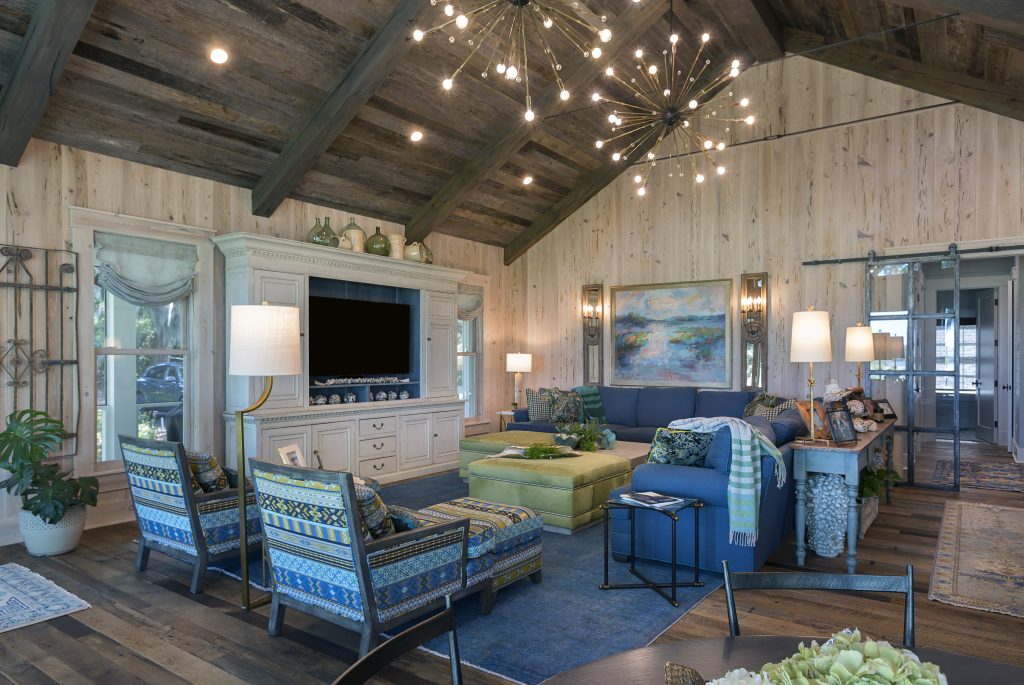
In an old home renovation, some updates are non-negotiable, like electrical wiring, plumbing, and HVAC systems. These sleek modern updates directly impact your safety and comfort, and upgrading them doesn’t compromise a home’s character at all.
Other changes, like replacing original windows, removing a built-in, widening a doorway, or reconfiguring a layout, are a different story. These are decisions of authorship: they shape how a home looks, functions, and feels. That doesn’t mean they’re off-limits; it means they deserve more thought.
As CHD interior designer Meg Sandefur recalls from one of her favorite projects:
“We essentially gutted the home but preserved the elements that made it remarkable—old brick walls, cedar plank walls, antique wood ceilings—and created a colorful, open living space, both indoors and out, where they congregate as a family and entertain regularly. I truly believe design changes like this can change the closeness of a family and have a greater impact on their lives than we realize on a purely aesthetic level.”
The Pawley’s Island renovation (pictured above) transformed the home from a series of compartmentalized rooms into a shared gathering space, breathing new life into it while keeping the elements that give it history and soul.
Preserve the Details That Can’t Be Bought New
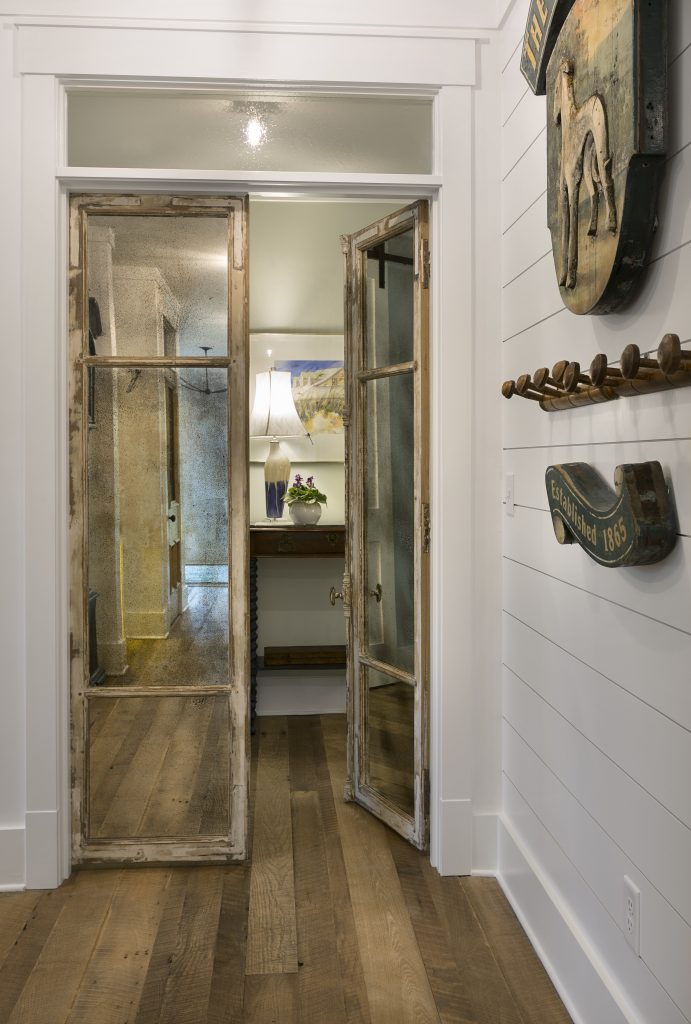
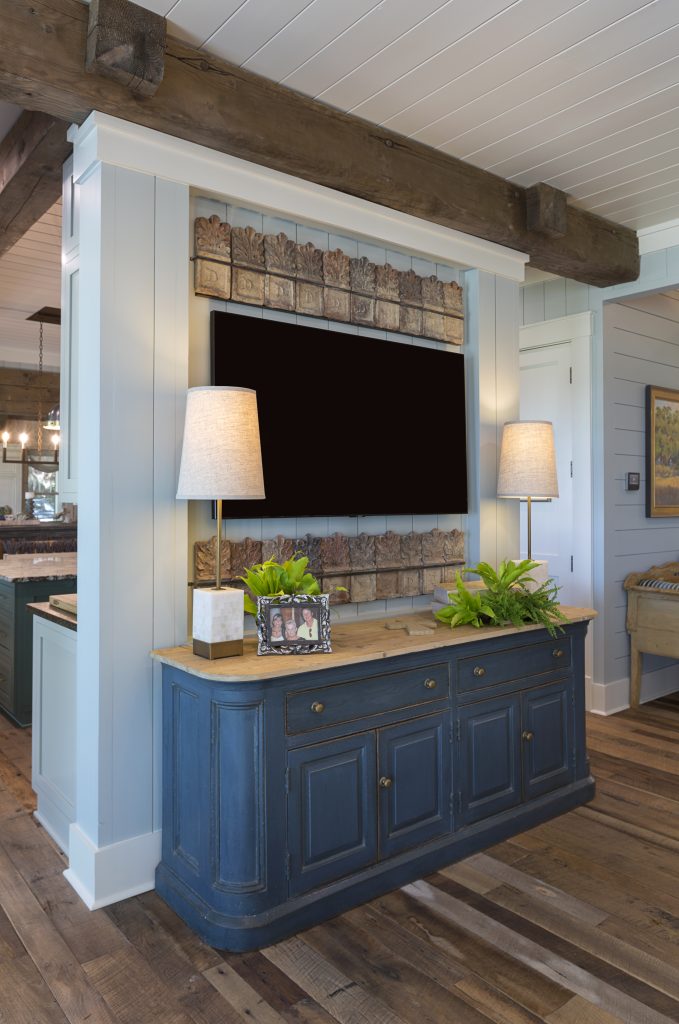
Protecting what can’t be replicated today is the heart of a character home renovation. Original hardwood floors, historic millwork, brick walls, or unique built-ins reflect the craftsmanship and materials of another era. Even with some wear, they add a warmth and worldliness that brand-new replacements rarely match.
Of course, not every original feature is salvageable. When original pieces are too damaged or missing, antiques and vintage finds are the best way to fill the gap without flattening the house’s character. Salvaged mantels, reclaimed floorboards, vintage doors, and period light fixtures create a natural, continuous sense of place.
Add New Pieces That Earn Their Place in the Interior Design of Older Homes
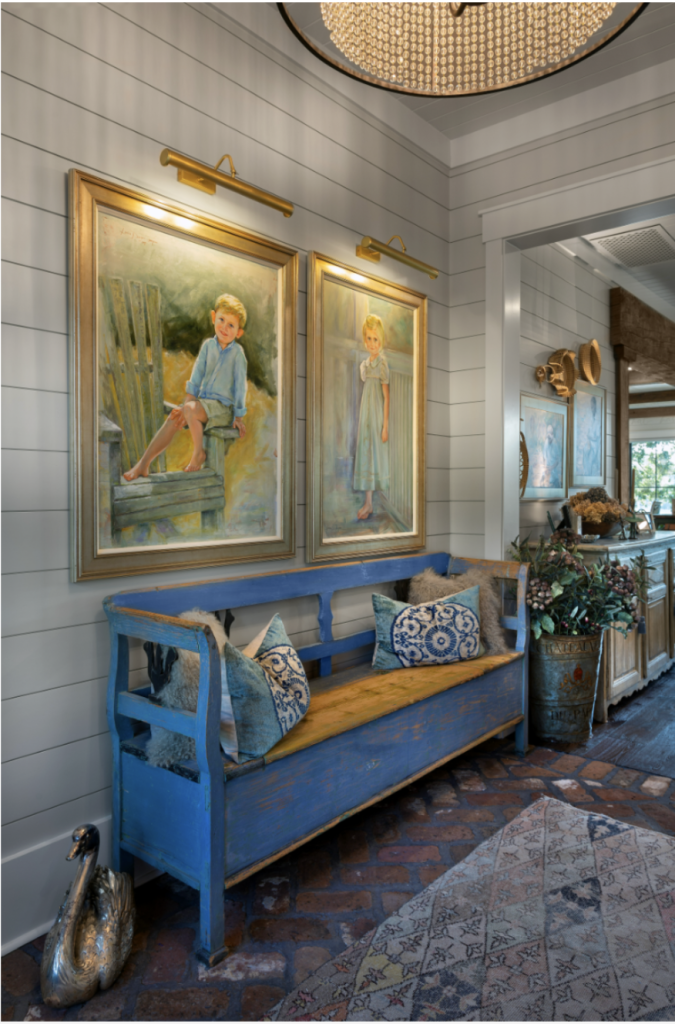
Start by learning your home’s era and the typical materials, proportions, and decorative vocabulary of its time. Understanding the original aesthetic helps new additions feel like a natural chapter in the home’s story rather than an interruption.
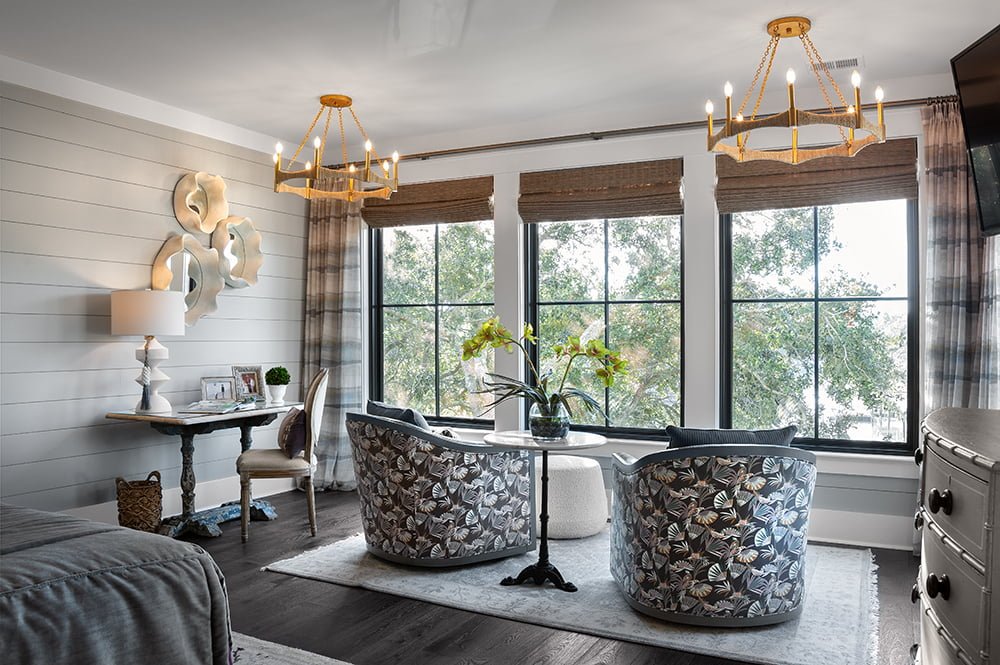
New pieces don’t have to be antiques or exact reproductions, but they should earn their place. Use repeating textures, patterns, and pops of color to create a through-line that connects old and new throughout your home.
Our designer-curated home decor and furniture showrooms are built around exactly this kind of layering, so your finished space reads as cohesive rather than patched together.
Don’t Be Afraid to Make Your Home Your Own
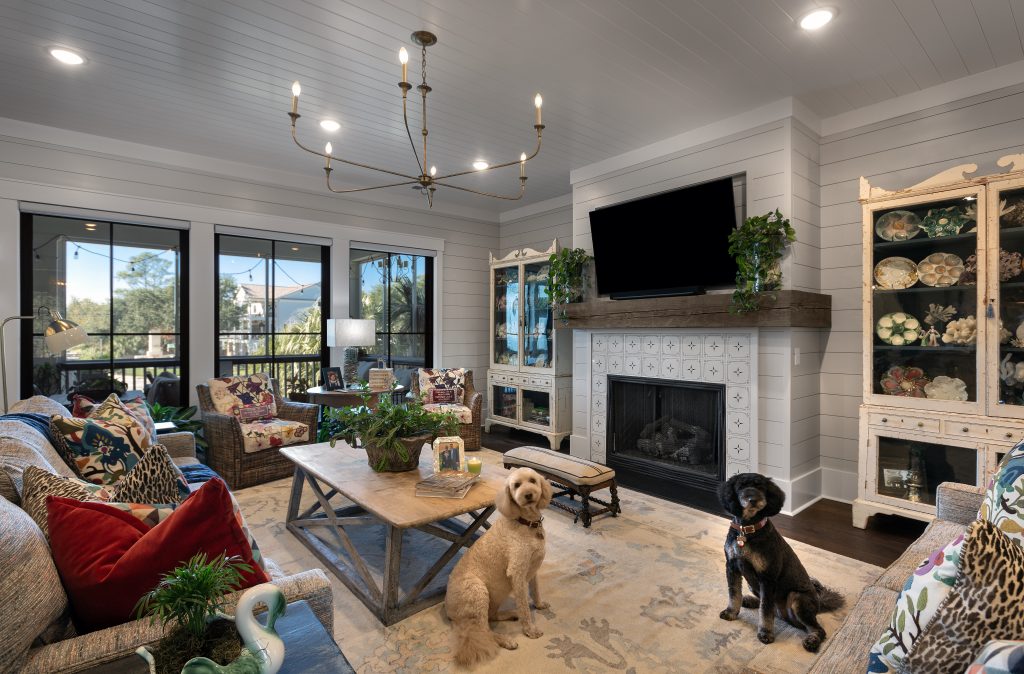
At the end of the day, the goal of an old home renovation is a home that’s more comfortable, functional, and reflective of you. Treat original features with respect, but don’t let them hold you back from making your home truly yours.
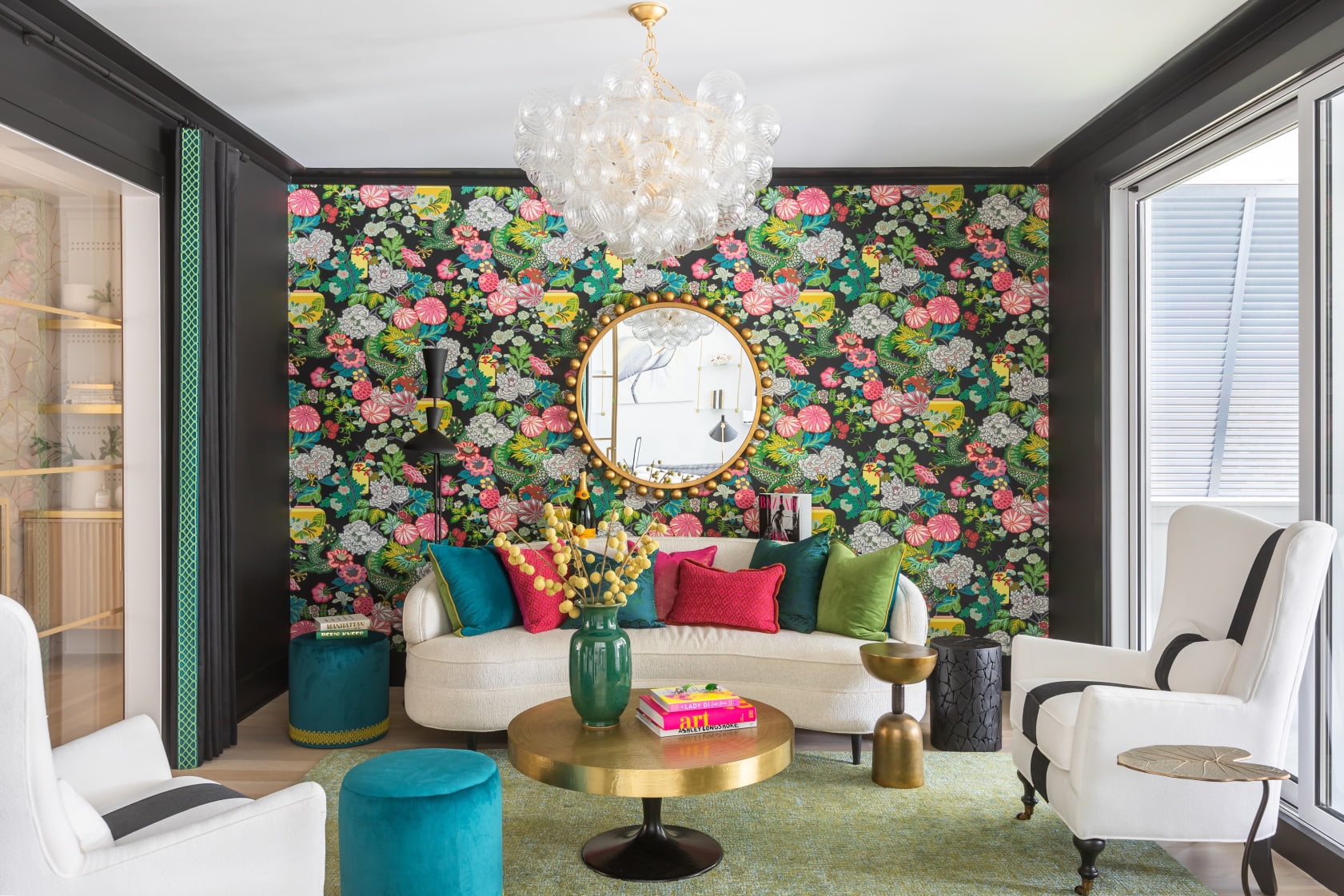
In fact, putting your stamp on your home simply adds one more chapter to your home’s long and storied history. Personal style and custom touches are often the most-loved parts of older homes. Quirks, layered furnishings, family heirlooms, and bold wall treatments add lived-in character and effortless, original style. Think about the mark you want to leave on your historic home — and have fun doing it.
Modernizing a Character Home with an Experienced Interior Design Team
Old home renovation work honors what came before and adds a new, durable chapter for the future. When you preserve original character while adding a modern touch, you’re passing the house along in better shape than you found it.
CHD Interiors has spent decades fine-tuning our approach to preservation-minded design, character home renovations, and sourcing period-appropriate elements — from our hand-selected European antiques to our designer-curated furniture showrooms. See more of our work, or contact CHD Interiors to talk through how to help your home keep its story while becoming more livable for today.