When you walk into a beautifully designed home, it’s often the smaller details that make you stop and take notice. Even the simplest arrangement—books, greenery, and a favorite decorative object—can make a tabletop feel like a curated display. If you’ve ever wondered how to style tabletops so they look like they belong in a designer’s portfolio, the secret lies in balance, proportion, and a little creative play.
In this guide, we’ll share our interior designers’ favorite tips for styling tabletop arrangements, dressers, and mantels so they feel collected and personal.

Start By Selecting a Focal Point for Your Tabletop Vignette

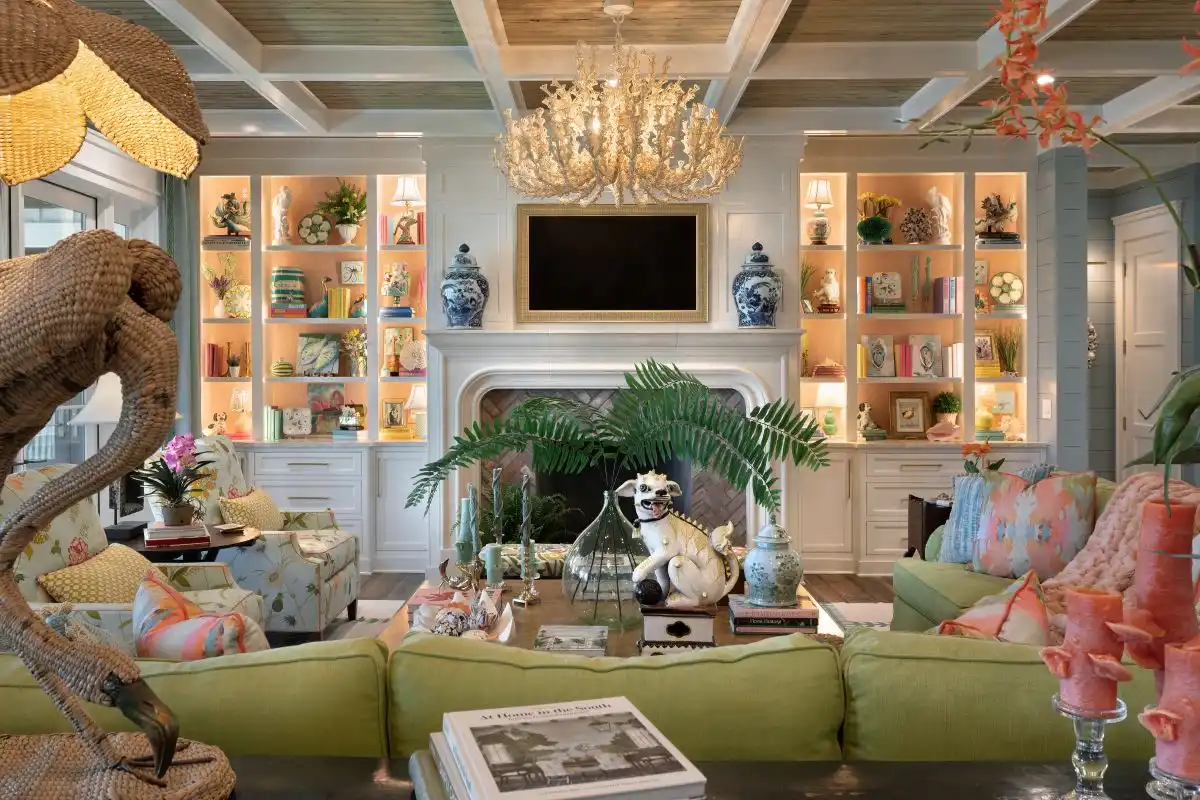
Every great table or mantel arrangement needs a visual anchor—something that naturally draws the eye and sets the tone for everything around it. This can be something you already love and own, like a favorite mirror, a striking piece of art, or a sculptural object. Once that anchor is in place, the rest of the styling can build around it, creating a look that feels intentional and balanced.
If you’re not sure how to begin picking a focal point, here are a few table centerpiece ideas:
- A framed piece of art: Adds vertical interest and a personal touch
- A sculptural tray: Corrals smaller items while adding texture and shape
- A statement mirror: Reflects light and expands the sense of space
- A curated stack of coffee table books: Adds height, color, and personality
- A pair of petite lamps: Adds symmetry and a warm, inviting glow
Choose a Cohesive Color Palette Across Your Table Decor


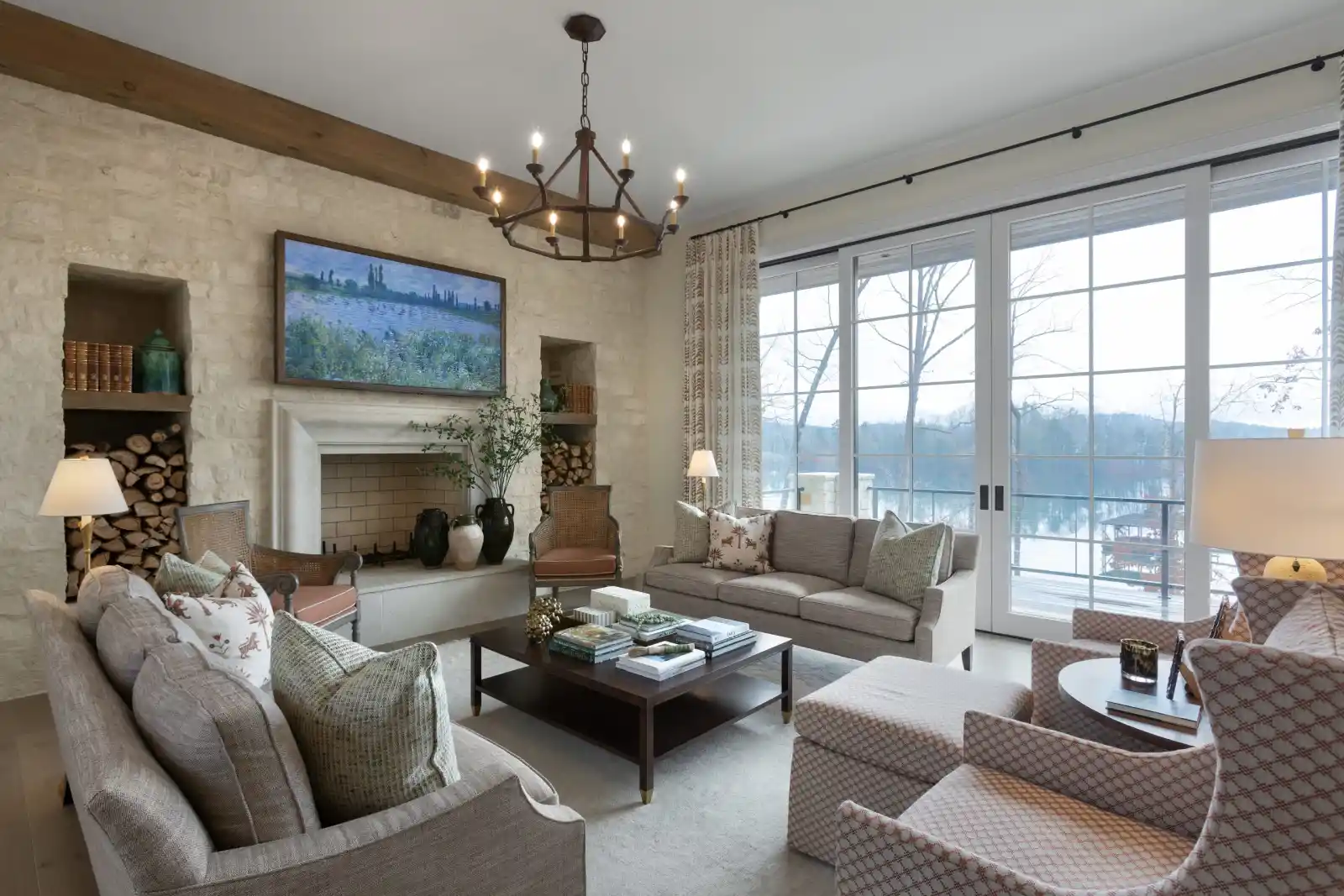
A thoughtful color palette can make the difference between a vignette that feels thrown together and one that looks artfully composed. Start by considering the colors already present in your space—walls, upholstery, rugs, and even the tones of wood or metal finishes. These existing elements create the foundation your tabletop or mantel arrangement will sit on, so it’s best to choose accents that either harmonize or intentionally contrast.
Once the base is set, layer in complementary tones to bring the scene to life. A neutral color scheme will keep things soft and understated, while bolder colors can inject energy and personality. Contrast is key: pairing light objects against darker surfaces (or vice versa) ensures your arrangement doesn’t disappear into the background. Even a small pop of color, like the spine of a coffee table book or a floral arrangement in a glass vase, can add depth and dimension without overwhelming the look.
Play with the Textures and Height of Your Tabletop Decorations


A vignette feels more dynamic when objects rise and fall in scale instead of sitting at the same level. Art hung or leaned on the wall behind a tabletop display can add vertical lift and frame the arrangement, while the objects in front provide depth. A pair of tall lamps, a medium-height vase, and a decorative bowl create dimension on the surface itself, while slender candle holders can be placed to bridge the gap between taller and shorter pieces.
An engaging mixture of textures is equally important as varying heights. Combining smooth ceramics with rough wood, gleaming glass, or natural greenery keeps the display dynamic and layered. Without this contrast, arrangements can fall flat or appear too uniform. Mixing and matching materials creates a collected, lived-in, and visually engaging display from every angle.
Explore Symmetrical vs. Asymmetrical Tabletop Arrangements


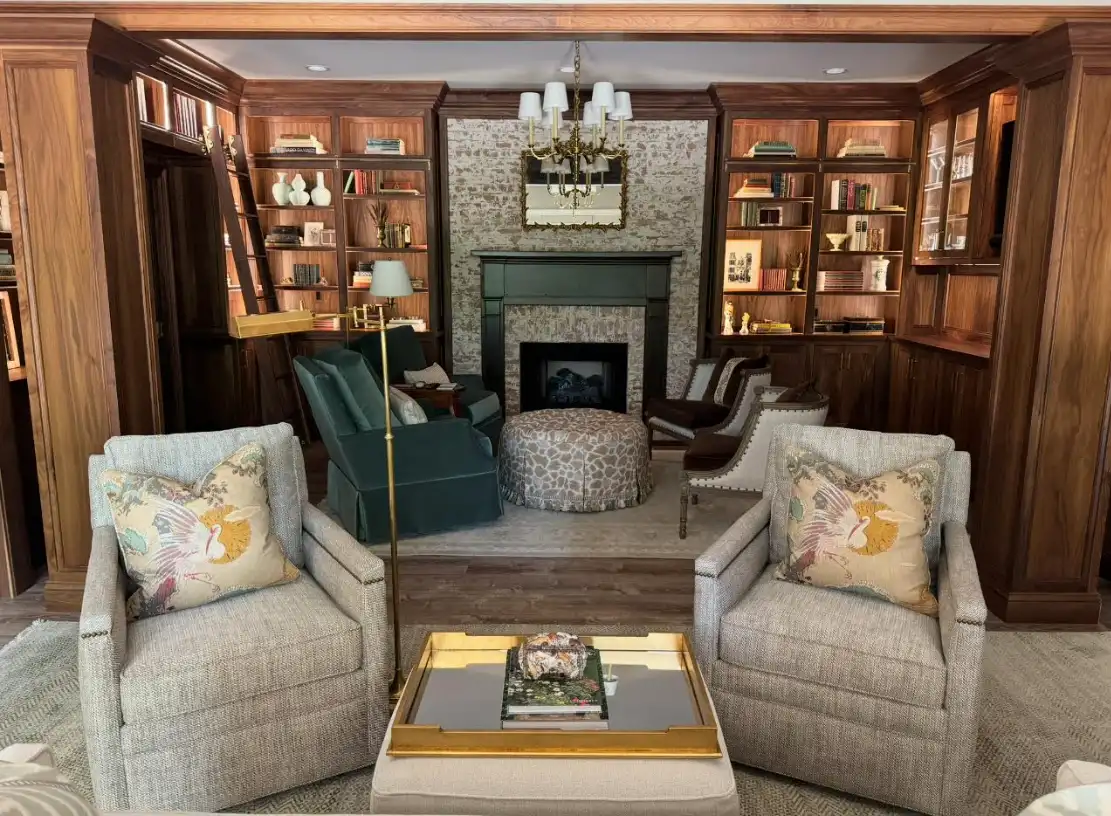
Symmetry and asymmetry can both create beautiful table top or mantel arrangements—it all depends on the mood you want to set. Symmetry doesn’t have to mean identical items on either side; it can also be about matching proportions or visual weight. A tall lamp and a sculptural vase at opposite ends, with a few smaller accents in between, can establish a grounded sense of harmony.
Asymmetrical tabletop arrangements, on the other hand, have a natural sense of movement and flow. Instead of mirroring, asymmetry plays with contrast, creating intentionally unbalanced displays that catch the eye and add a sense of intrigue. The style can be anything from clean and minimalistic to casually collected, but it’s always striking.
Create Depth and Dimension in Your Tabletop Arrangements

Depth makes a tabletop or dresser feel complete, and layering is the simplest way to get there. Instead of centering everything in one even row, experiment with pushing pieces toward the corners or letting them overlap. This avoids a stiff, lined-up look and creates a scene that feels more relaxed and lived-in.
Art and accessories work especially well when layered together. Try resting a decorative book against the wall, or placing a small object in front of a larger sculptural piece. These little overlaps keep the display dynamic and add a sense of lived-in ease, the mark of an interior designer-curated space.
Layer Sentimental Pieces Into Your Table and Dresser Decor


The most memorable table arrangements often have something personal woven into them. Beyond pretty objects and balanced shapes, these details create a connection between the space and the person who lives there. A tabletop vignette can tell a story with just a photograph, a keepsake from a trip, or a well-loved antique passed down through your family.
You don’t need a full collection to make an impact. Often, a single cherished object adds just the right layer of character. These details remind you of the moments and memories that matter, while giving your space a lived-in authenticity.
Examples of personal items to incorporate into your home decor:
- Family heirlooms
- Keepsake boxes
- Framed photos
- Travel souvenirs
- Notes or letters
- Art you’ve created or collected
Vignette Styling Made Easy
The most memorable homes are often defined not just by their furniture or architecture, but by the details layered on top. These finishing touches create the kind of spaces that feel lived in, personal, and complete. A nicely arranged tabletop, dresser, or mantel can transform a room from feeling furnished to feeling styled.
That same philosophy guides our work at CHD Interiors. Our designers know that beauty lives in the balance between statement pieces and the smallest details. We draw from decades of experience, an eye for both antiques and modern finds, and a design process shaped around the way you live. From full rooms to the finishing layers, we create homes that feel effortless, personal, and lasting.
Ready to bring that layered, collected look into your home? Visit our showrooms or connect with our interior design team to begin creating a home that feels distinctly yours.